game · 2023
Maniacs
A gaze-driven horror game where looking can save you—or put you in danger.
- My role
- Core Unity Developer · Gameplay & Gaze Interaction
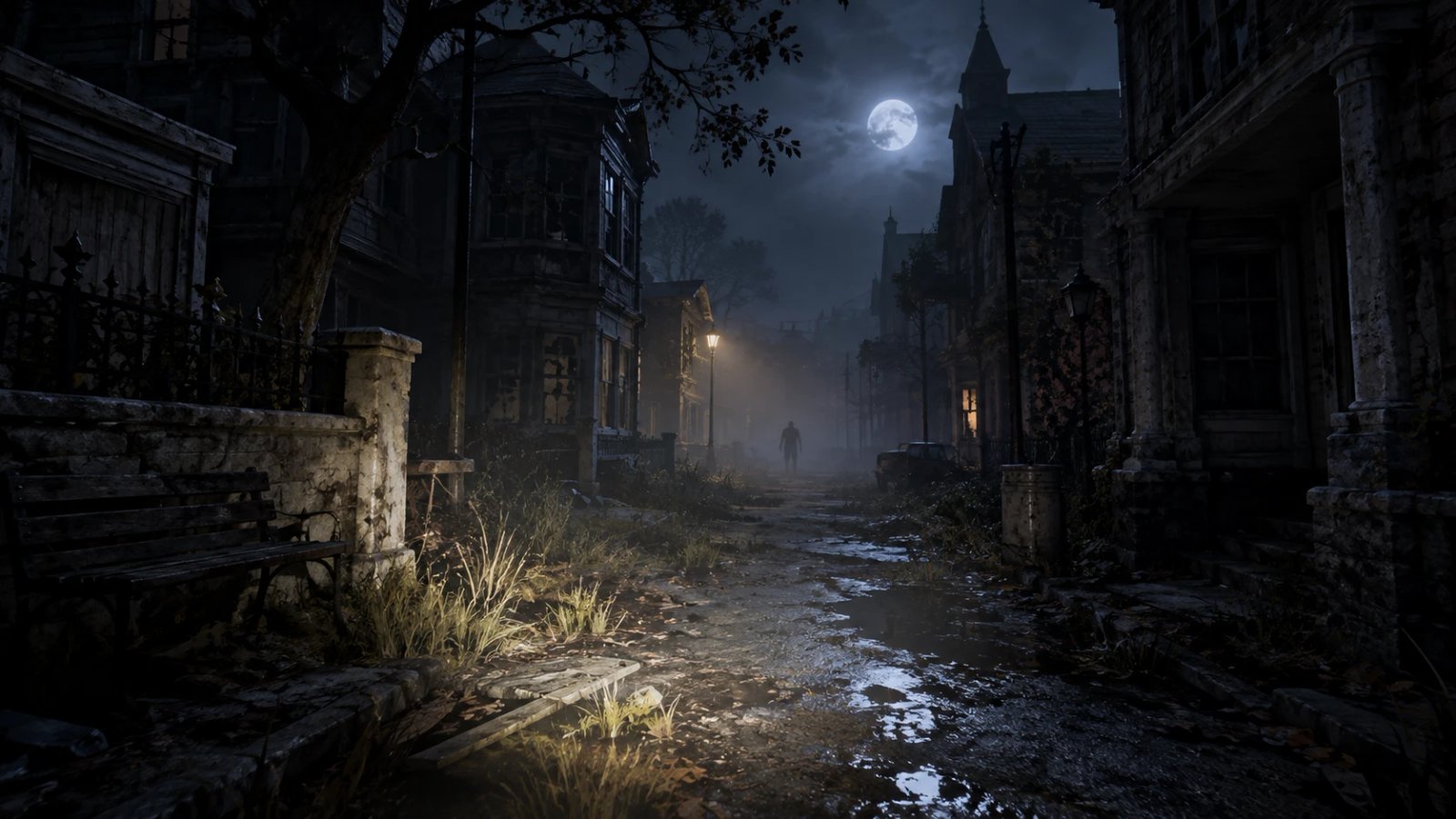
One light. Two very different risks.
Look to aim the flashlight independently of movement. Illumination freezes shadow enemies, but sustained light can awaken petrified ones. Limited batteries and gaze-activated puzzles make attention part of the survival loop.
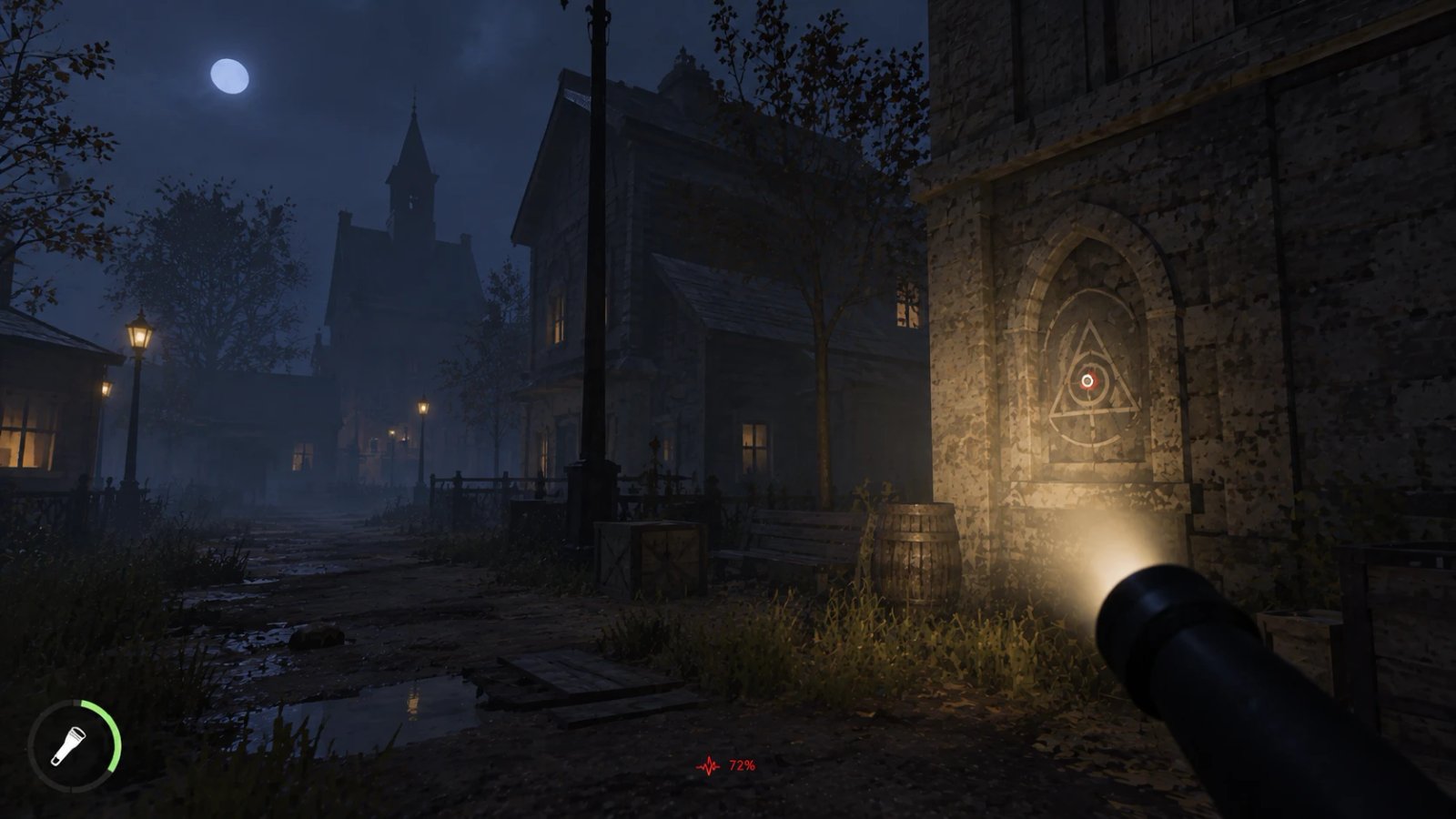
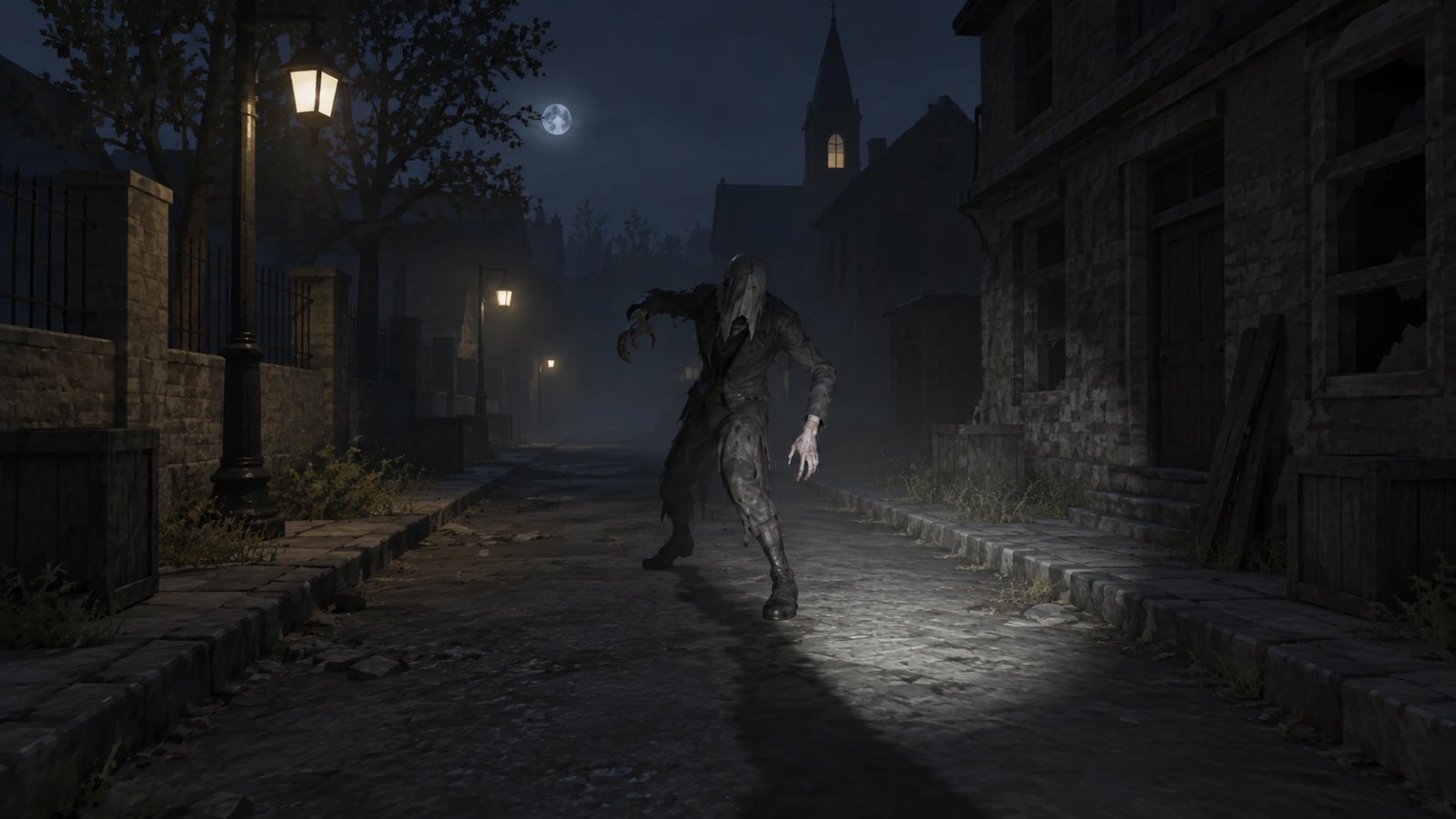
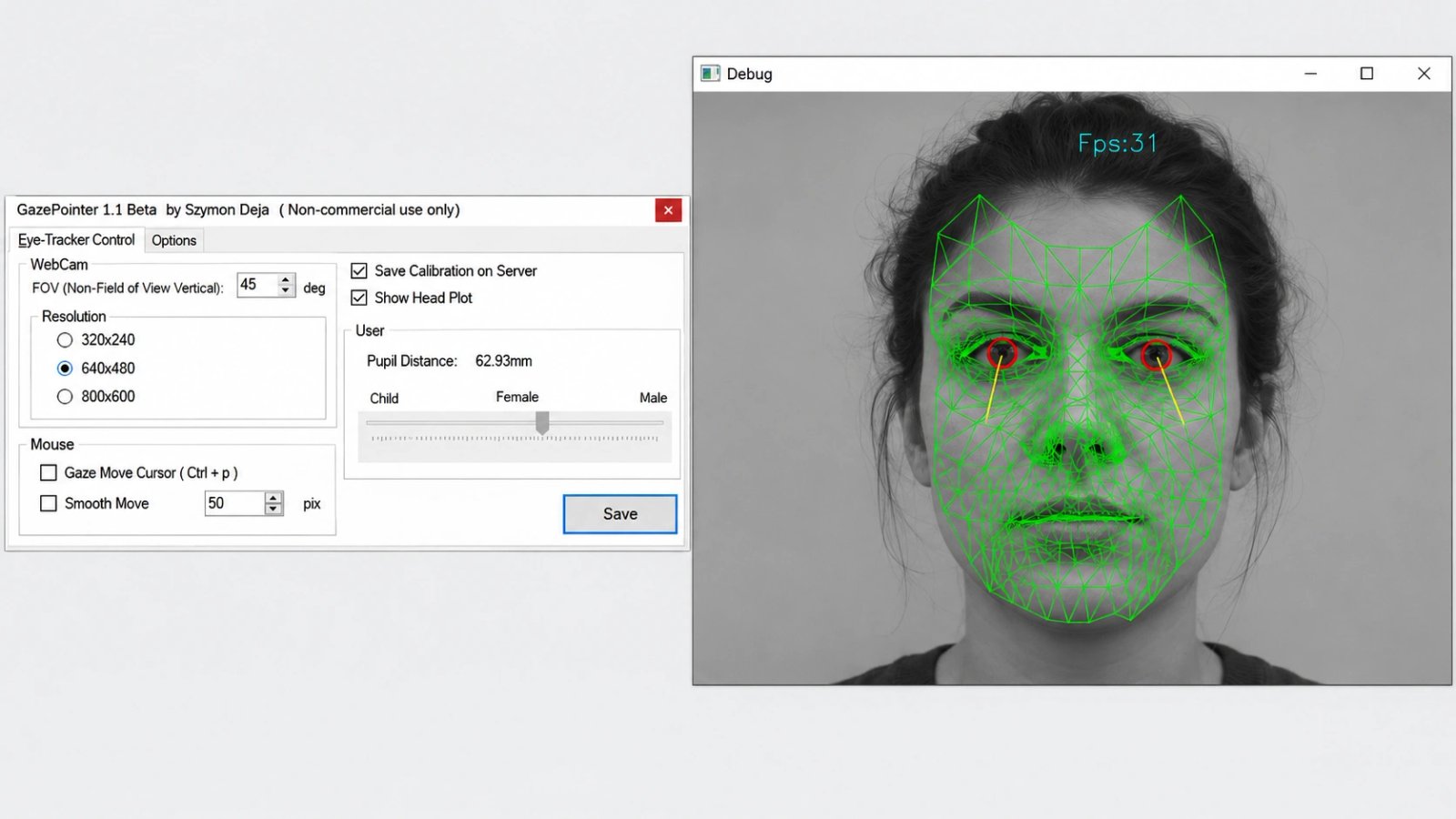
From webcam input to gameplay.
I connected GazePointer’s webcam input to independent flashlight aiming in Unity, then tied that input to enemy responses, gaze-duration puzzles and battery use. Profiling and playtest feedback guided iteration.
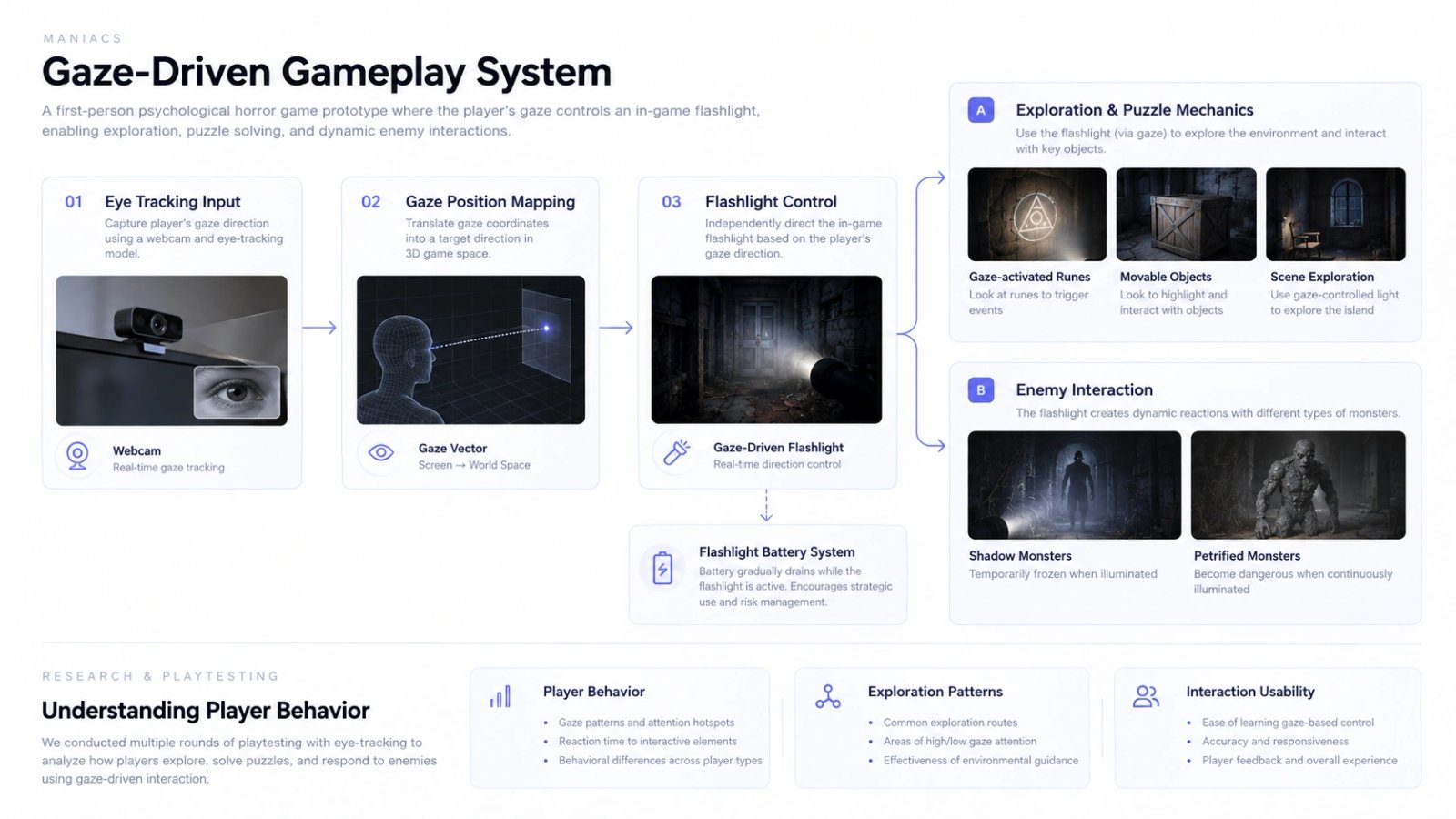
Inside the prototype.
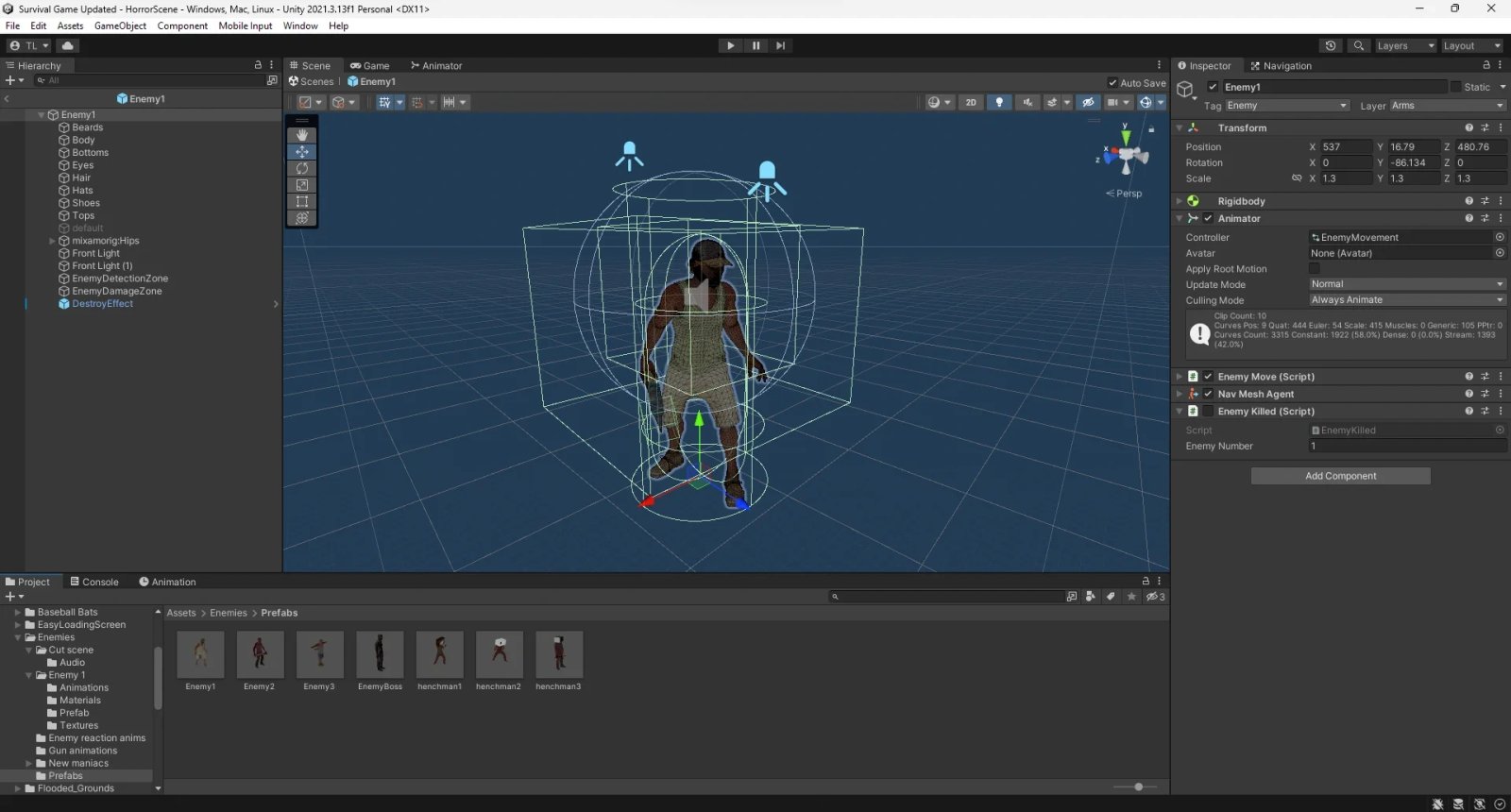
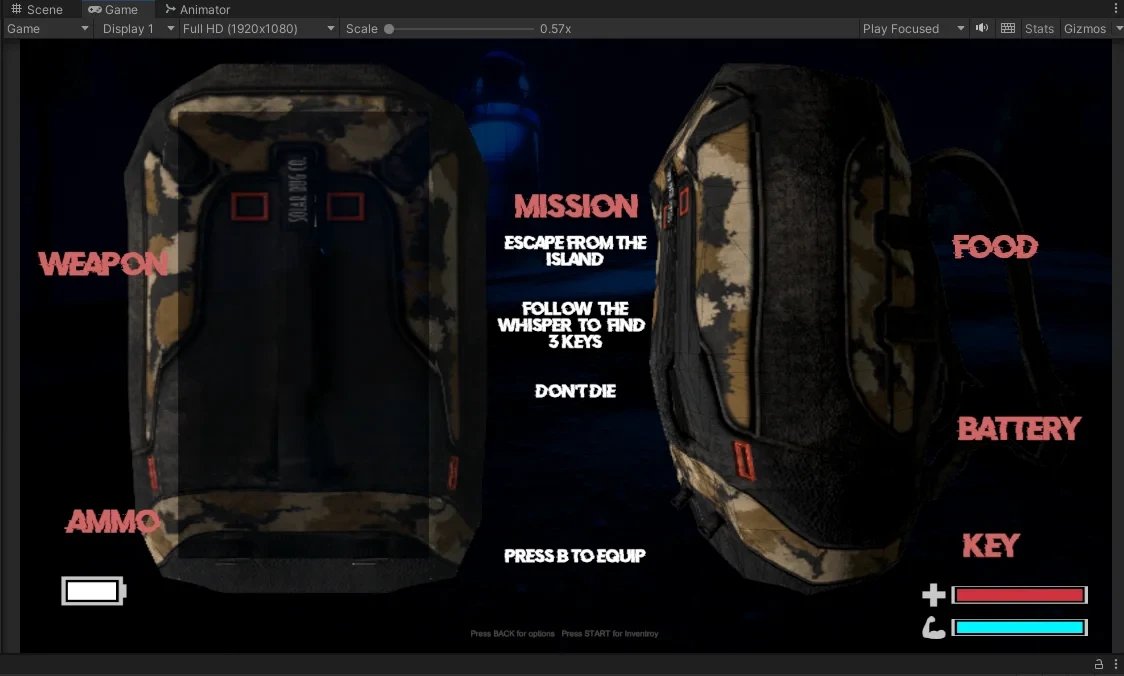
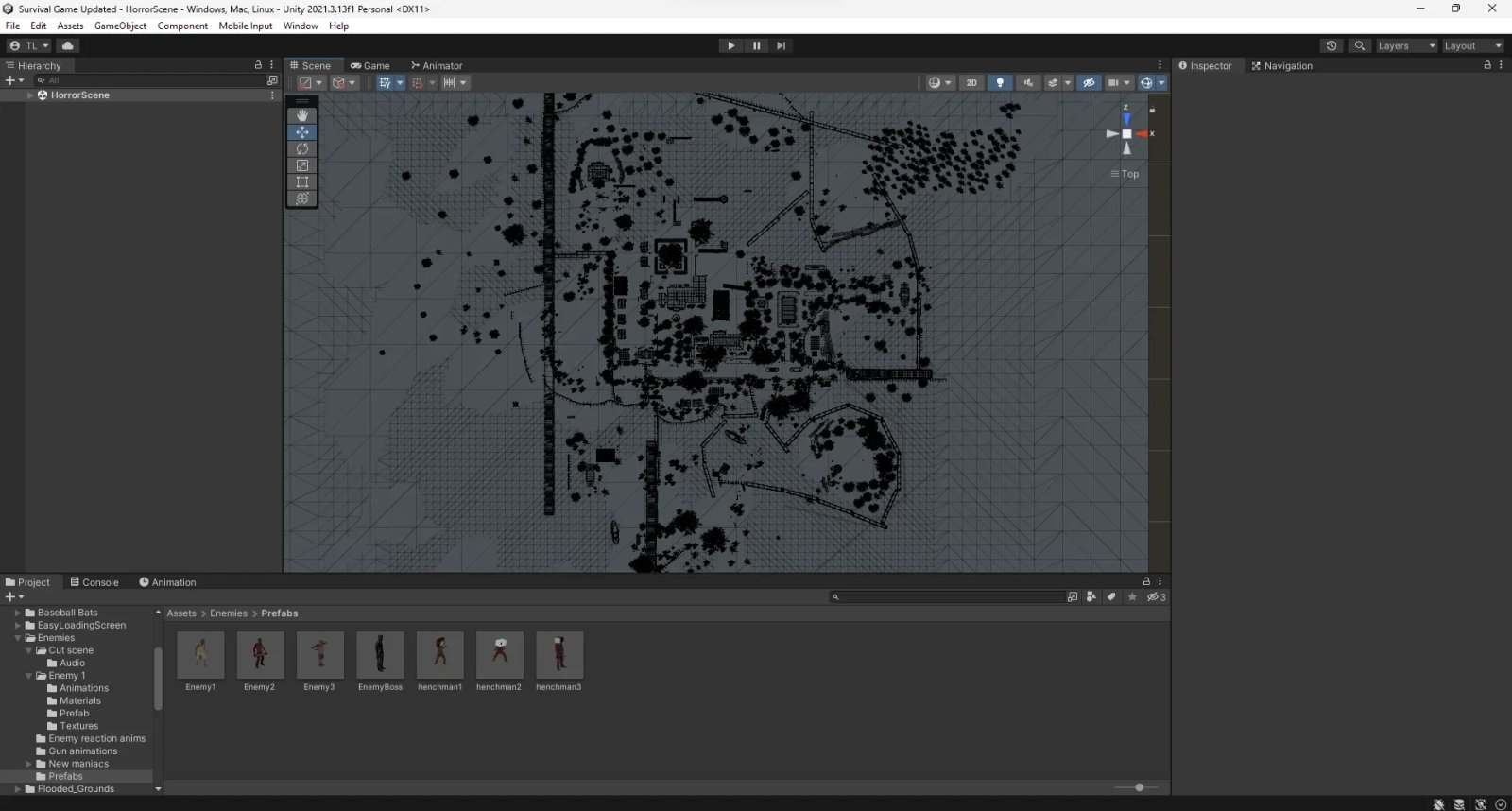
More freedom. A precision trade-off.
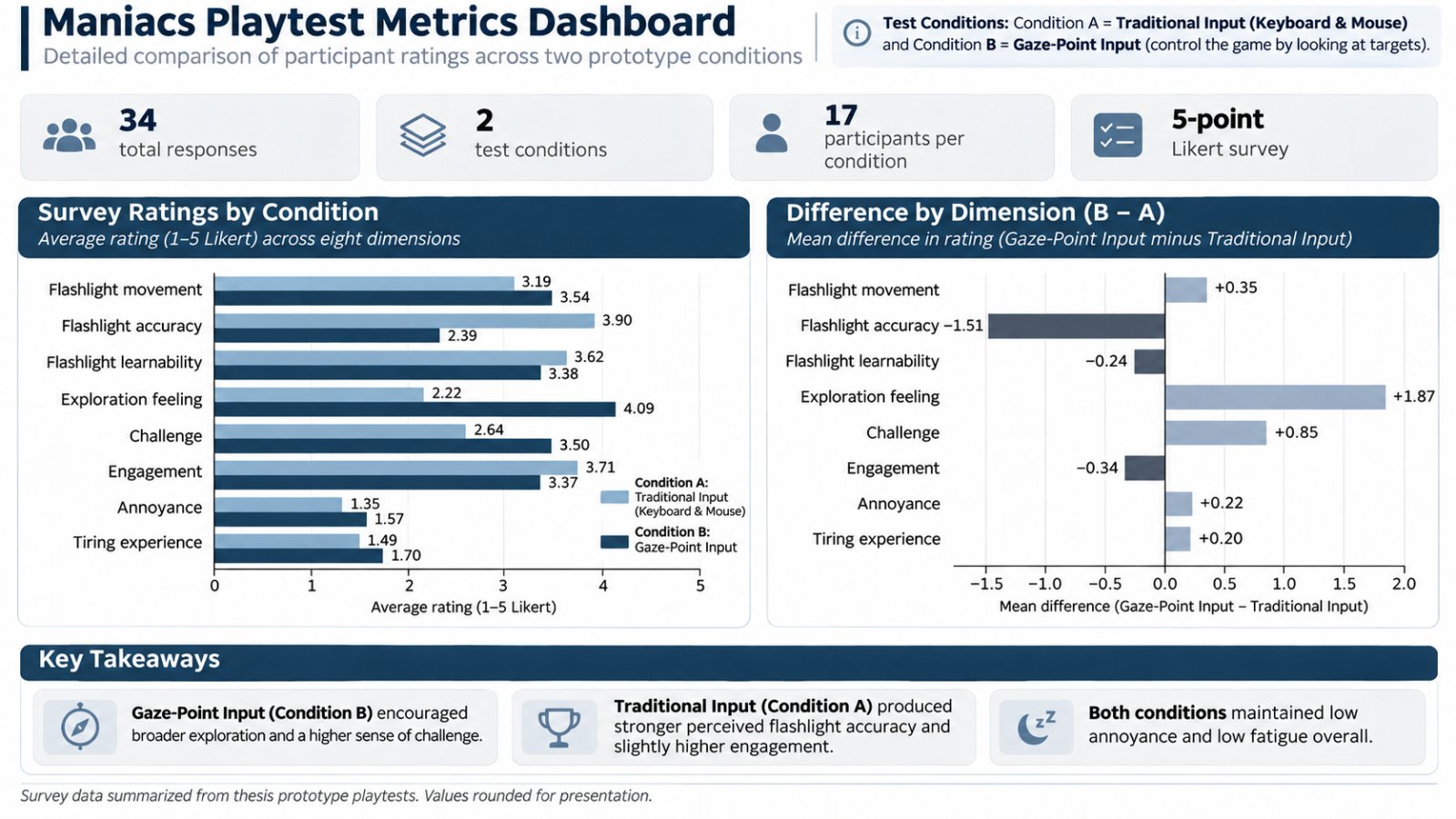
Players completed a tutorial and play session with conventional or webcam-based gaze controls, followed by a five-point survey and interviews. The team’s survey summary covers 34 responses, 17 per condition.
Gaze input received higher exploration and challenge ratings; conventional controls were rated more accurate. These descriptive findings made calibration and clearer feedback priorities for the next iteration.
Toward more accessible input.
Could a low-cost webcam lower the cost of gaze-assisted play for people who find hand controls difficult? This prototype explores that question; it does not establish that webcam tracking can replace dedicated eye trackers.
Next, I would test calibration, lighting tolerance and input recovery, compare accuracy and usability with dedicated hardware, and evaluate hybrid gaze/controller input with players who have limited hand mobility.
- Skills & tools
- Unity
- C#
- GazePointer
- Input mapping
- Gameplay systems
- Unity Profiler
- Playtesting
- HCI
- Context
- Collaborative graduate project · Northeastern University · Boston, 2023